
Novo Cruzeiro Pegmatite Guide
Use this quick guide to decode what you're seeing in the field photos. In Novo Cruzeiro's hard-rock terrains, our geologists look for white pegmatite veins/bodies within granite and schist. Why? Pegmatites can host spodumene—the mineral that hosts lithium.
Schist Host Rock
Schist is a layered, metamorphic host rock that pegmatite veins cut across. When you see dark, banded schist with lighter veins intruding through it, those light veins are often pegmatites. This is a strong field clue that guides our exploration teams.
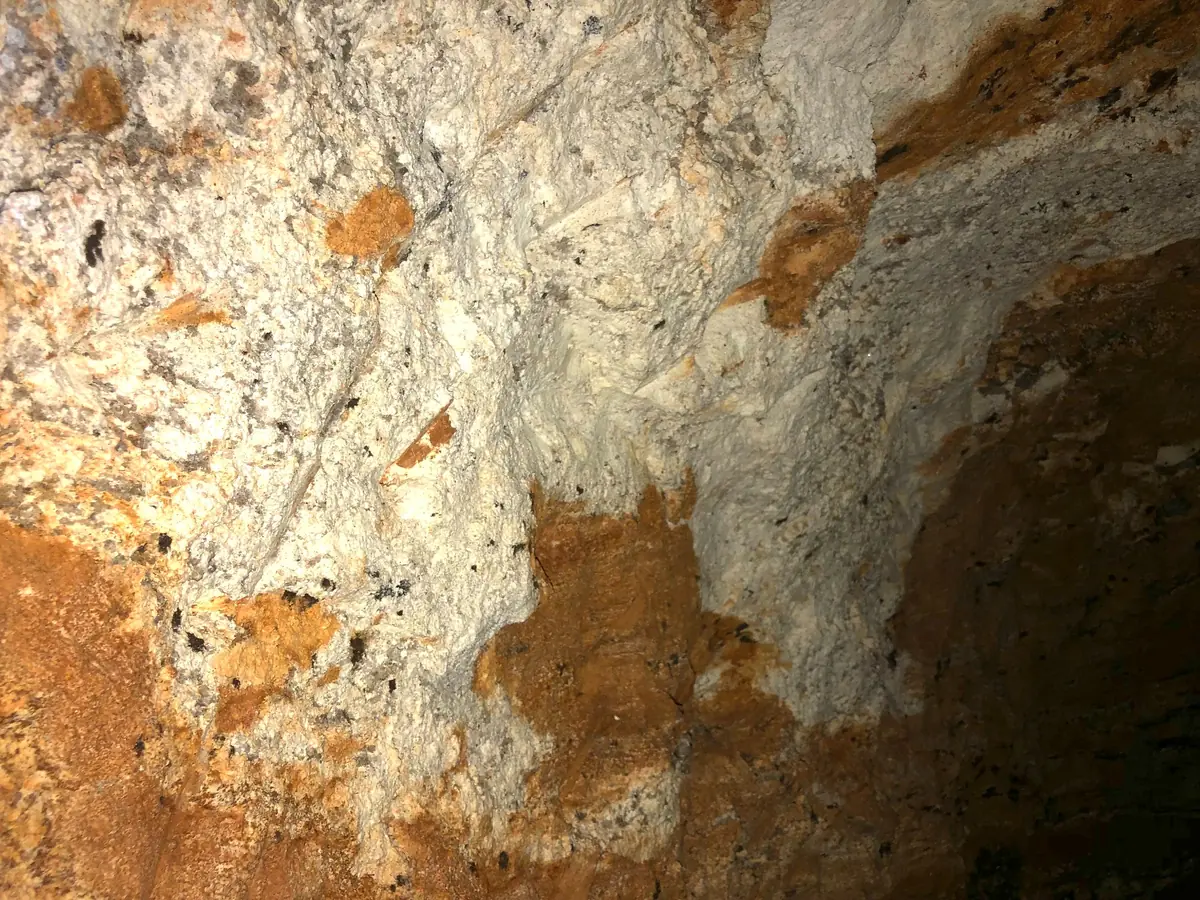
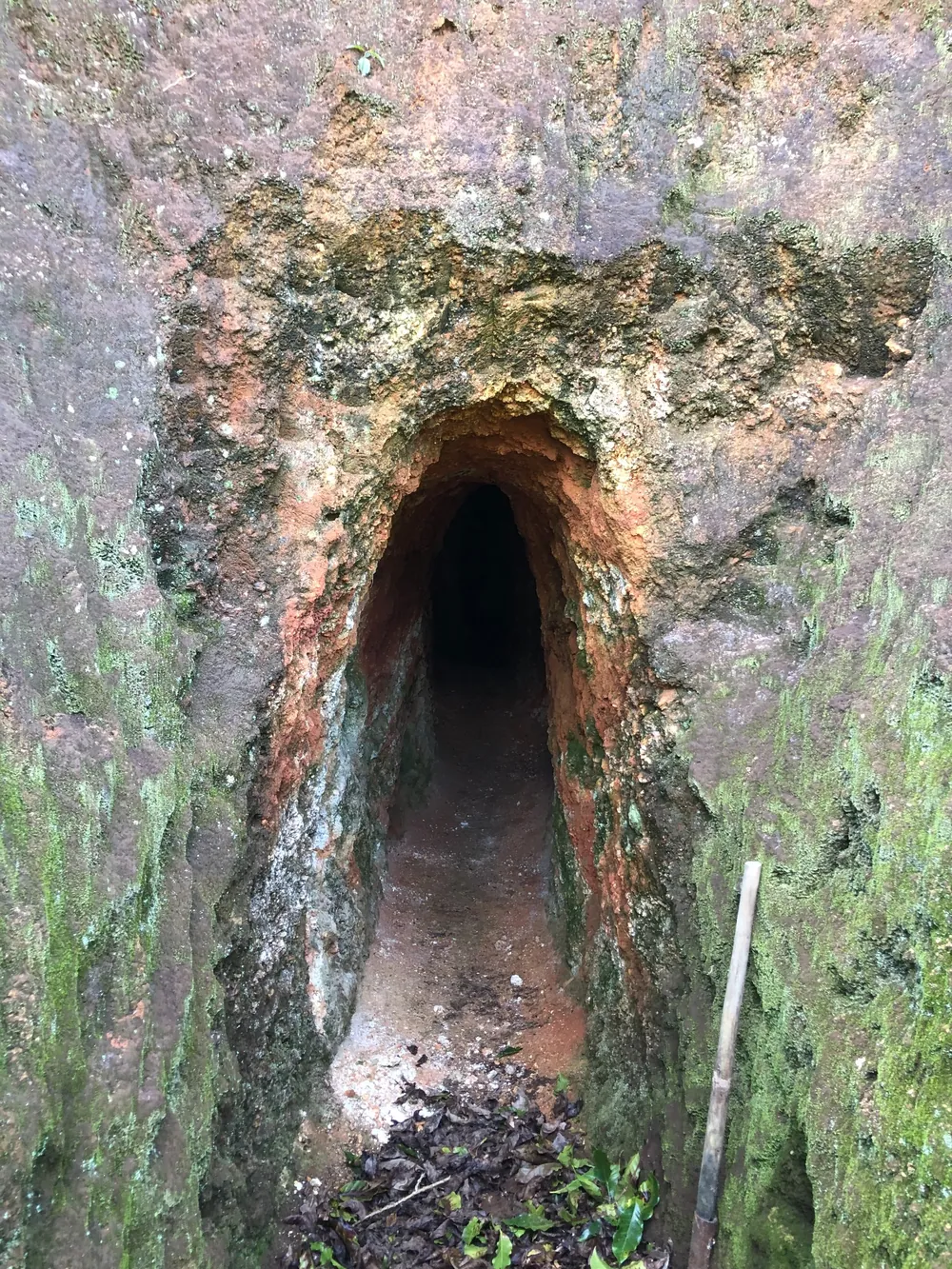
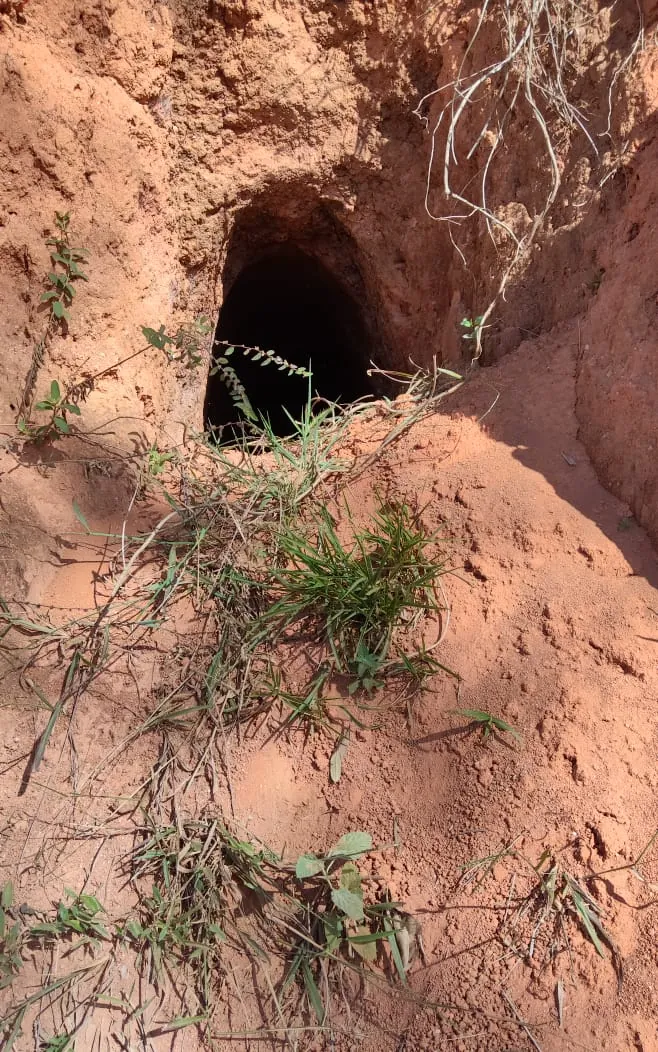
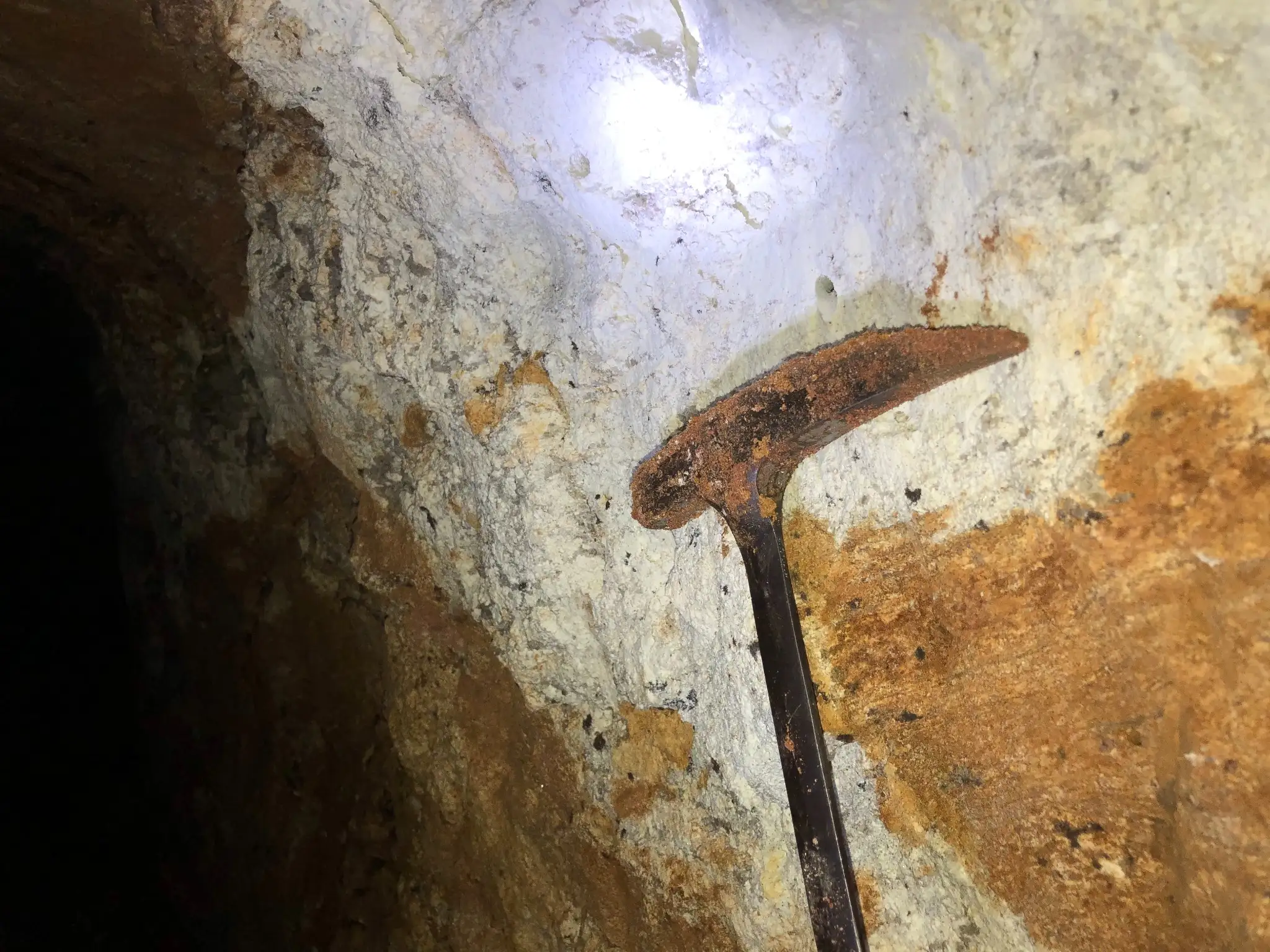
Pegmatite Veins & Bodies
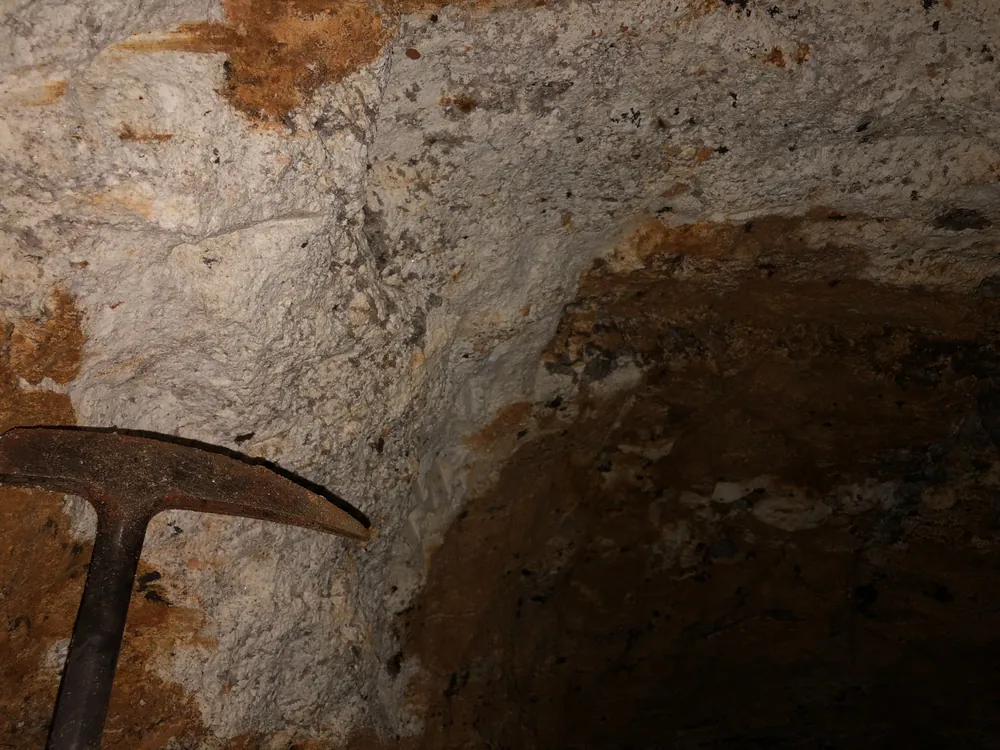
Pegmatites are typically white and coarse-grained (quartz + feldspar + mica). Large continuous bodies and thinner stacked bands are both encouraging signs. Even surface-weathered appearances can signal fertile rock below—exactly what we're looking for in lithium exploration.
Spodumene
Spodumene is the target lithium-bearing mineral. Finding it within a pegmatite is a strong indicator of lithium fertility. Tools like UV lamps help our field teams prioritize which pegmatites to sample first.
Spodumene Samples Sent to Assay
After mapping and selecting targets, we collect chip or saw-cut samples and send them to independent labs. Assays report lithium as Li or Li₂O—these hard numbers confirm grade before we advance to trenching or drilling.